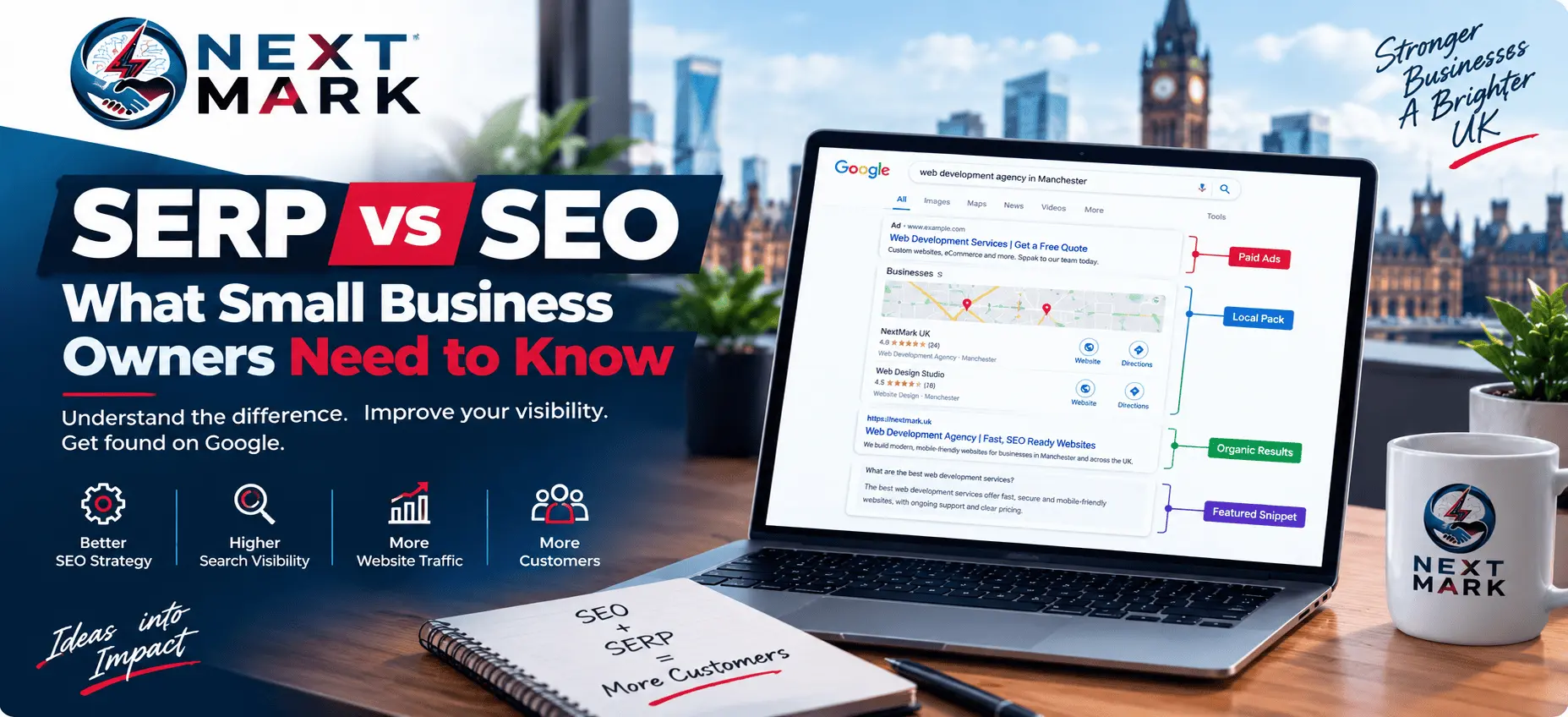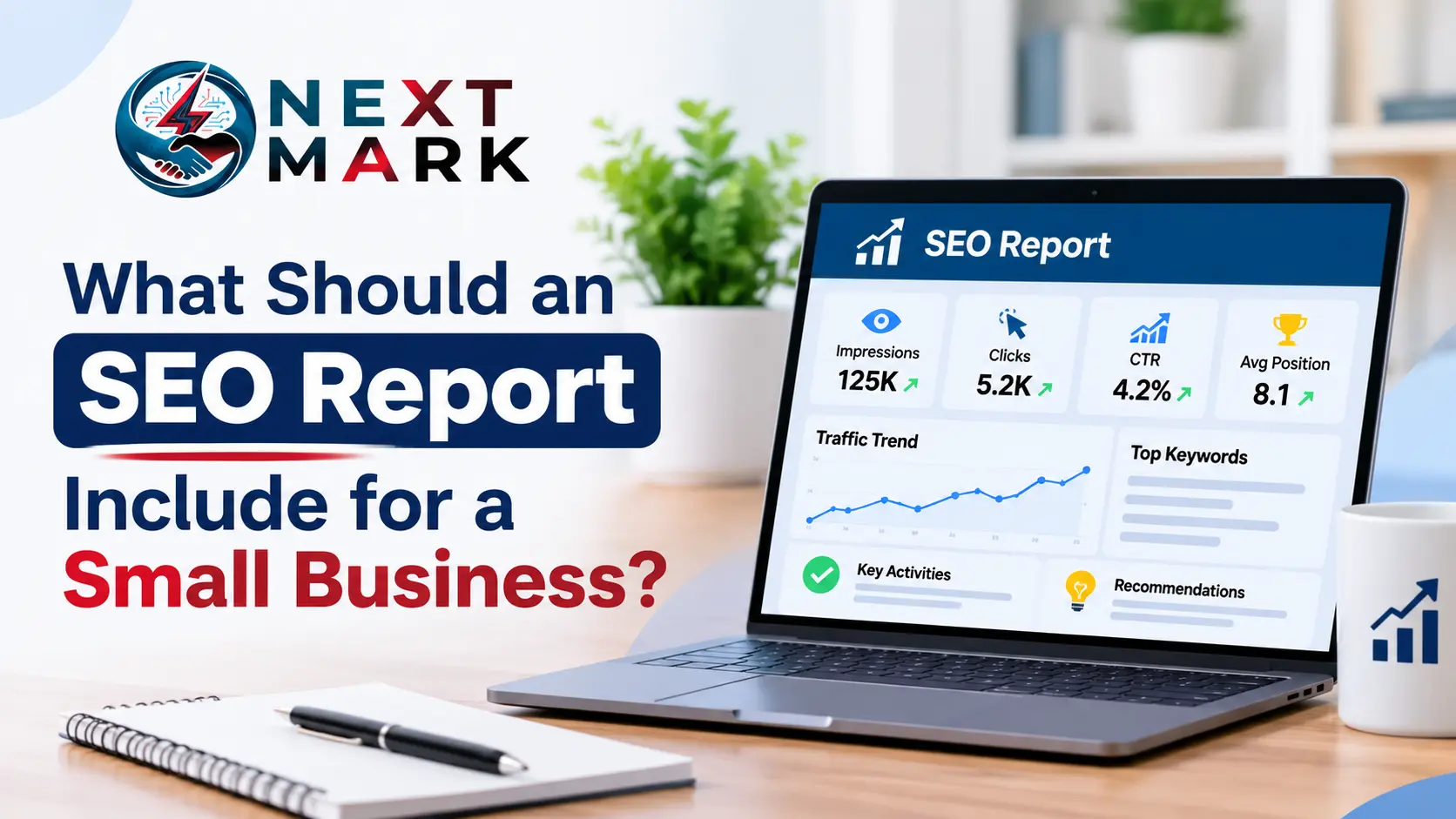
An SEO report for a small business should show how well its website performs on Google, how much organic traffic it receives, which keywords bring visitors, and whether those visitors become enquiries or customers. It should also explain what SEO work the agency completed and what needs attention next.
A good monthly SEO report does more than show keyword rankings. It helps business owners understand where their website is improving, what needs fixing and how SEO supports business growth.
However, many small businesses receive reports filled with numbers but little explanation. Without clear information, it becomes difficult to know whether their SEO investment is making a difference.
Let's look at what a useful SEO report should include.
1. A Summary of SEO Performance
Every SEO report should start with a short summary of the website's overall performance.
Business owners should not have to study several pages of data to understand what happened during the month.
A clear summary should explain:
-
Did organic website traffic increase or decrease?
-
Did the website appear in more Google searches?
-
Which pages received more visitors?
-
Did important keywords improve?
-
Did the website generate more enquiries?
-
What work did the SEO team complete?
For example, a report might explain that a service page received more Google impressions but still needs improvements to attract clicks.
This gives the business owner a clear picture without unnecessary technical language.
2. Google Search Console Performance
Google Search Console is one of the most useful tools for measuring SEO performance.
It shows how people find a website through Google Search and which search terms display its pages.
A monthly SEO report should include four important metrics.
Google Impressions
Impressions show how often a website appears in Google Search results.
More impressions can indicate that Google is showing your pages for a wider range of searches. However, impressions alone do not mean that people visit your website.
Organic Clicks
Clicks show how many times people select your website from Google Search results.
This metric helps you understand whether your pages attract visitors from search results.
Click-Through Rate (CTR)
CTR measures the percentage of impressions that result in clicks.
For example, if your website receives 1,000 impressions and 50 clicks, its CTR is 5%.
A low CTR may suggest that your page title or description needs improvement. However, the search position and type of query can also affect CTR.
Average Keyword Position
Average position gives an overview of where your website appears in Google Search results.
For example, an average position of 8 means your result appeared around that position on average across the recorded searches. It does not mean that every keyword ranks at position 8.
Together, these metrics help businesses understand their search visibility and organic growth.
3. Keyword Ranking Progress
A useful SEO report should show which keywords bring relevant visitors to the website.
However, tracking hundreds of unrelated keywords does not help a small business understand its performance.
Focus on keywords that relate to your products, services and target customers.
For example, a Manchester-based plumbing company might track:
-
Emergency plumber Manchester
-
Local plumbing services
-
Boiler repair Manchester
-
Affordable plumber near me
The report should show the previous and current positions where available, along with the movement of important keywords.
It should also identify keywords that have started receiving impressions but need more optimisation.
Most importantly, do not judge SEO success through rankings alone. A keyword that brings relevant enquiries can be more valuable than one that receives hundreds of unrelated visits.
4. Organic Website Traffic
Keyword positions show search visibility, but website traffic shows how many people actually visit your pages.
Google Analytics 4 (GA4) helps businesses understand what visitors do after reaching their websites.
An SEO report should include:
-
Organic search sessions
-
New and returning users
-
Most visited landing pages
-
Engagement rate
-
Traffic from the UK
-
Changes compared with the previous reporting period
For a UK business, checking traffic by country is particularly useful.
For example, a local service company targeting customers in Manchester should pay attention to relevant UK visitors rather than focusing only on total worldwide traffic.
There is also an important difference between Search Console clicks and GA4 sessions. These tools measure activity differently, so their numbers will not always match exactly.
Businesses that need help improving their search visibility in Manchester can also explore our SEO agency in Manchester page.
5. Google Business Profile Performance
Local businesses should receive a separate update about their Google Business Profile.
An optimised profile can help nearby customers discover a business through Google Search and Google Maps.
Monthly reporting should include relevant available metrics, such as:
-
Business Profile views
-
Searches that displayed the profile
-
Website clicks
-
Phone call button clicks
-
Direction requests
-
Customer actions
These figures help business owners understand how people interact with their local listing.
For example, more website clicks from a Google Business Profile may show that more people are considering the business.
However, a call-button click does not necessarily mean that someone completed a phone call or became a customer. Always compare these figures with actual enquiries.
Improving these results often involves more than updating a business profile. Relevant location pages, local search terms and customer reviews also matter. Learn more about our local SEO services for improving local search visibility.
6. Website Technical SEO Issues
A business website needs more than keywords and content to perform well on Google.
Technical SEO helps search engines discover, access and understand website pages.
A monthly report should highlight important technical issues and explain whether the team has fixed them.
Some areas worth checking include:
-
Website indexing problems
-
Broken internal links
-
Mobile usability
-
Page loading performance
-
Duplicate page content
-
Missing or incorrect title tags
-
Canonical tag issues
-
XML sitemap problems
Not every technical issue requires immediate action.
A good SEO report should separate critical problems from minor improvements. It should also explain which fixes the team completed and which issues still need attention.
For websites with crawling, indexing or performance problems, technical SEO services can help identify and address important website issues.
A detailed SEO audit can also help businesses understand their website's current condition and identify areas that need improvement.
7. Content and On-Page SEO Updates
Content plays an important role in helping small businesses appear for relevant searches.
A report should explain what content-related work took place during the month.
This might include:
-
Updating existing service pages
-
Publishing new blog articles
-
Improving page headings
-
Adding relevant internal links
-
Updating title tags and meta descriptions
-
Covering useful customer questions
-
Improving content that receives impressions but few clicks
For example, a website might receive impressions for searches about affordable services but attract very few visitors.
Updating the page title, improving the introduction and answering the searcher's main question may help make the page more useful and appealing.
Every content update should have a clear purpose. Publishing more articles does not automatically lead to better rankings.
Online stores may also need specific improvements to product pages, category pages and product-related search terms. These activities fall under ecommerce SEO services.
8. Leads, Enquiries and Conversions
For most small businesses, the main goal of SEO is not simply to attract visitors. It is to generate genuine business opportunities.
That's why an SEO report should include conversion data wherever tracking is available.
Useful conversion metrics include:
-
Contact form submissions
-
Phone number clicks
-
Email enquiries
-
Appointment bookings
-
Quote requests
-
Online purchases
Businesses can track important actions as key events in Google Analytics 4.
For example, a website that receives 500 organic visits but no enquiries may need improvements to its service pages, contact forms or calls to action.
In comparison, a smaller website receiving 100 relevant visitors and 10 genuine enquiries may be delivering more business value.
This is why traffic quality matters as much as traffic volume.
9. SEO Work Completed During the Month
A report should clearly explain what the SEO team actually did.
Business owners deserve to know how their monthly SEO budget is being used.
A simple activity section could include:
| SEO activity | Monthly update |
|---|---|
| Keyword research | New opportunities identified |
| On-page SEO | Service pages improved |
| Technical SEO | Website issues checked and fixed |
| Content optimisation | Existing articles updated |
| Local SEO | Business Profile improvements |
| Internal linking | Relevant pages connected |
| Performance review | Results analysed |
The report should only list work that the team actually completed.
For example, do not claim that technical errors have been fixed when the team has only provided recommendations.
Clear reporting helps build trust between a business owner and an SEO provider.
10. Recommendations for the Next Month
An SEO report should finish with a practical action plan.
After reviewing the results, the SEO team should explain which activities deserve attention next.
For example:
-
Improve service pages with high impressions but low clicks.
-
Update articles that are losing organic traffic.
-
Fix important indexing problems.
-
Improve internal links between related pages.
-
Target relevant local search terms.
-
Improve website pages that receive traffic but generate few enquiries.
These recommendations should reflect the website's actual performance rather than a standard list of SEO tasks.
A clear plan also helps business owners understand what the next month of SEO work will focus on.
What Does a Good Monthly SEO Report Look Like?
A useful report should be simple enough for a business owner to understand and detailed enough to support decisions.
Here is a basic monthly reporting structure:
| Report section | What it tells you |
|---|---|
| Performance summary | Overall SEO progress |
| Search Console | Google search visibility |
| Keyword tracking | Search term movements |
| Organic traffic | Website visitors |
| Local SEO | Google Business Profile activity |
| Technical SEO | Website health and issues |
| Content updates | Work completed on pages |
| Conversions | Enquiries and business actions |
| Next month's plan | Future priorities |
Small businesses do not need complicated reports with dozens of charts. They need accurate data, clear explanations and useful recommendations.
How Often Should a Small Business Receive an SEO Report?
Most small businesses benefit from a monthly SEO report.
Monthly reporting provides enough time to review performance changes, compare results and understand which activities need attention.
However, important technical issues should be checked as they arise rather than waiting for the next report.
Businesses should also compare similar reporting periods where possible. Seasonal demand, holidays and changes in customer behaviour can affect website traffic.
Remember that SEO takes time. A business should look for consistent progress rather than expecting every keyword to improve every month.
FAQs About Small Business SEO Reports
What is included in a monthly SEO report?
A monthly SEO report usually includes organic traffic, Google impressions, clicks, CTR, keyword positions, technical SEO updates, content improvements, conversions and recommendations for the next month.
How do I know if my SEO agency is doing a good job?
Look for clear reporting, completed work, relevant keyword improvements, organic traffic trends and genuine business enquiries. A good agency should explain its results and be honest about problems.
Is Google Analytics enough to measure SEO performance?
No. Google Analytics helps you understand visitor behaviour, while Google Search Console shows how your website performs in Google Search. Using both tools gives you a more complete picture.
Should an SEO report include backlinks?
Yes, when link-building activity is part of the SEO strategy. The report should explain which relevant websites linked to your business and whether those links provide genuine value. Avoid judging success by backlink quantity alone.
How long does it take to see SEO results?
SEO timelines depend on competition, website condition, content quality and the work involved. Some improvements may appear within a few weeks, while stronger organic growth can take several months. No agency can guarantee a specific ranking within a fixed period.
What is the most important SEO metric for a small business?
There is no single metric that works for every business. However, qualified enquiries and sales are important business outcomes. Search visibility, clicks, relevant traffic and conversion data help explain how SEO contributes to those results.
Final Thoughts
A useful SEO report should answer three simple questions: How is the website performing? What work has been completed? What should happen next?
Small businesses should receive more than keyword ranking screenshots and traffic numbers. They need honest reporting that connects SEO activities with real business goals.
Before choosing an SEO provider, ask to see a sample report and check whether it explains both performance and completed work. You can also review the SEO packages and pricing available before deciding which level of support suits your business.
Looking for clear and affordable SEO support in the UK?
NextMark UK provides SEO services for businesses that want to improve their Google visibility, attract relevant visitors and build a stronger online presence.
Explore our affordable SEO services in the UK to learn about our SEO packages and find a suitable starting point for your business.
-
Official references: